

Huge in Japan but rarely seen outside of it.
Back in 1967, Japanese toymaker Takara Tomy (then just “Takara” and currently just “TOMY” in Western countries) developed their own fashion doll, similar to Mattel’s wildly successful Barbies in the US but more suited to Japanese tastes. It proved to be an overnight success and sold so well that it caused Mattel to all but give up marketing Barbie in Japan, clearing the way for Licca-chan to become a household name here.
Over the next 29 years, Licca-chan evolved to match the changing fashions and sensibilities of the times, maintaining a consistent appeal to children. For years, she had her own real phone number that kids could call and listen to her. That has since closed, but she still maintains a presence on social media.
▼ “I went to dinner with the family. I tried a slightly more mature outfit than usual today. I love spending time chatting about things while eating delicious food. Sometimes, a calm outfit like this is nice too, you know? How was everyone else’s day? I’d love to hear about it in the comments.”
家族でディナーに来たよ
今日はいつもより少し大人っぽいコーデにしてみたの♪
おいしいごはんを食べながら、
いろんなお話をする時間がだいすき
たまにはこんな落ち着いたコーデもいいよねみんなはどんな一日だった?
よかったらコメントで教えてねpic.twitter.com/7jc1KhwNuM
— リカちゃん 公式 *♬ (@bonjour_licca) March 24, 2026


▼ In 2003, she also slugged it out with the likes of Optimus Prime and Bomberman in DreamMix TV World Fighters for the Nintendo GameCube and PS2.
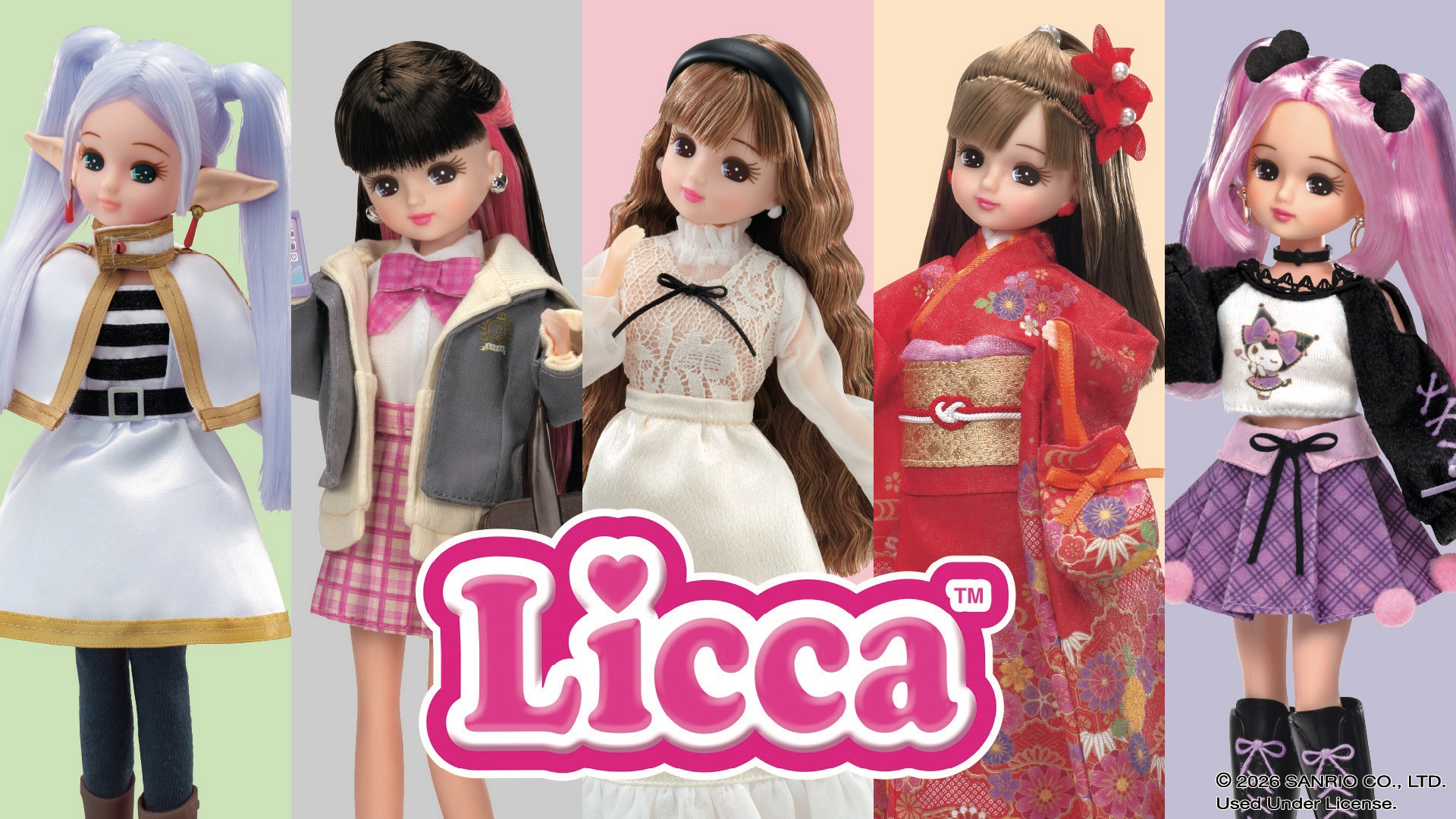
This is all to help you understand that Licca-chan is THE doll in Japan. And yet despite this, she hasn’t had much exposure overseas at all, until now. In March, Takara Tomy began a gradual roll-out of official Licca-chan sales in North America. According to CEO Akio Tomiyama, the decision was largely due to an overwhelming positive response to Licca-chan at the New York Toy Fair a month earlier.
And although in Japan she’s known to adopt a wide range of fashions and aesthetics from around the world, the initial lineup of 10 dolls is poised to position her as an ambassador of Japanese and kawaii culture.
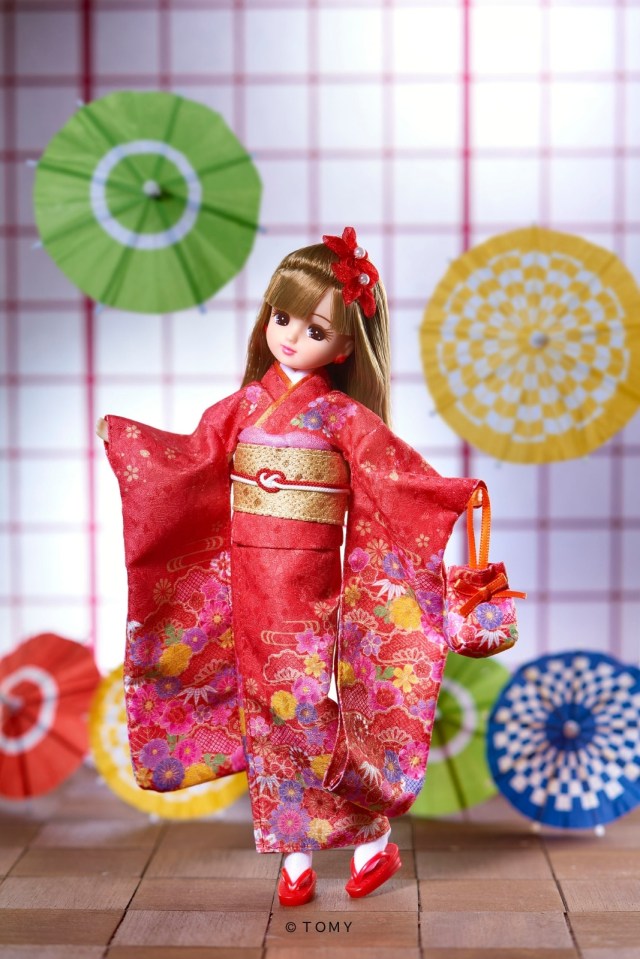
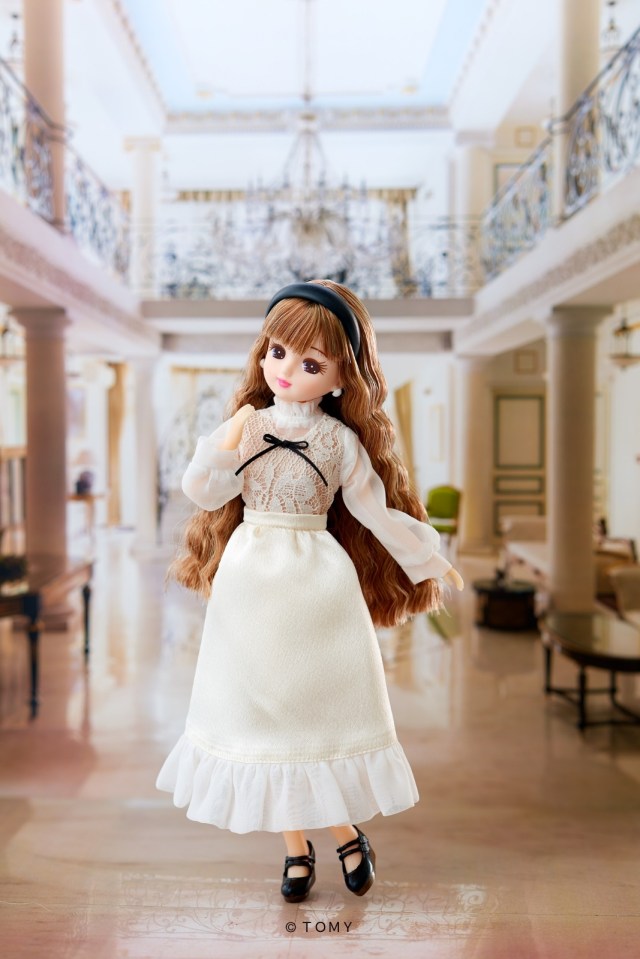
Naturally, there’s a kimono-clad version of Licca-chan, but also available is an Otonappo style, using a word that means “adult-ish” (in the sense of mature and sophisticated) in Japanese and putting the doll in more mature fashions, tailored to older collectors in particular.
Kidults might also appreciate the Licca-chan wearing outfits by the Tokyo-based fashion powerhouse of the ’80s, Sailors.
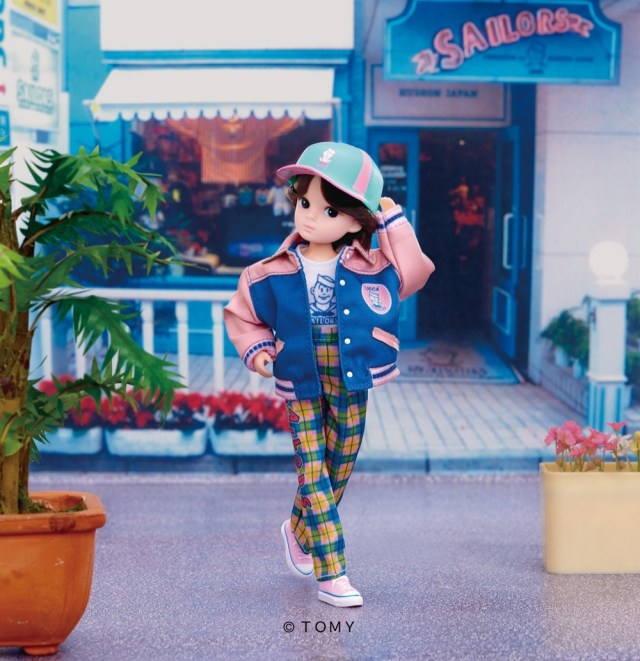
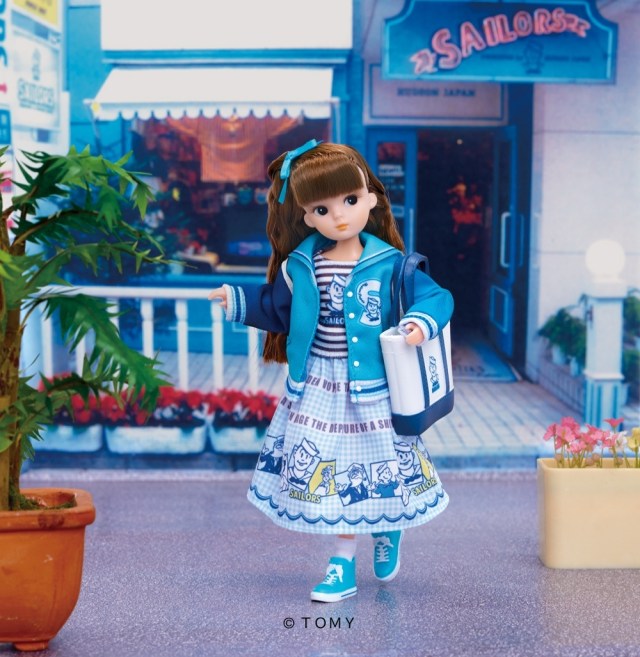
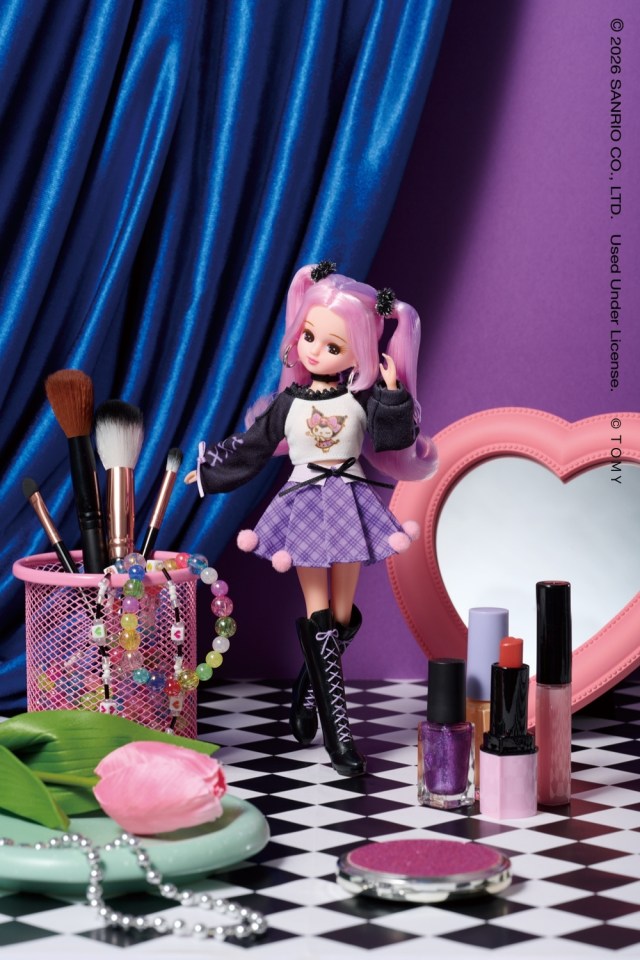
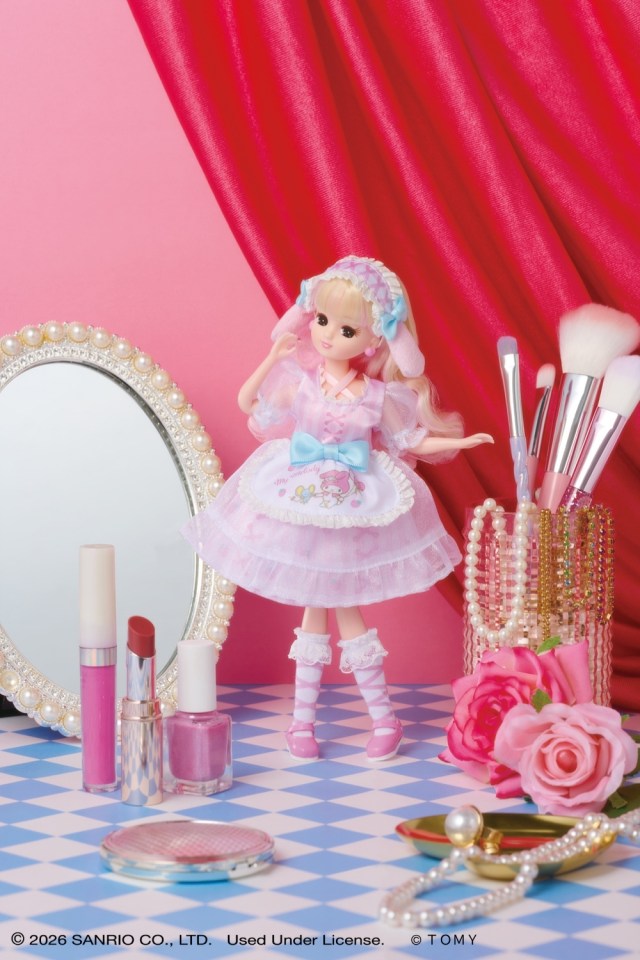
Of course, carving out a piece of the fashion doll market share in the home of Barbie isn’t easy, so Licca-chan has called in some backup from some of Japan’s other biggest names. She can also be purchased in outfits inspired by two of Sanrio’s most popular characters.
▼ Kuromi Licca-chan
▼ My Melody Licca-chan
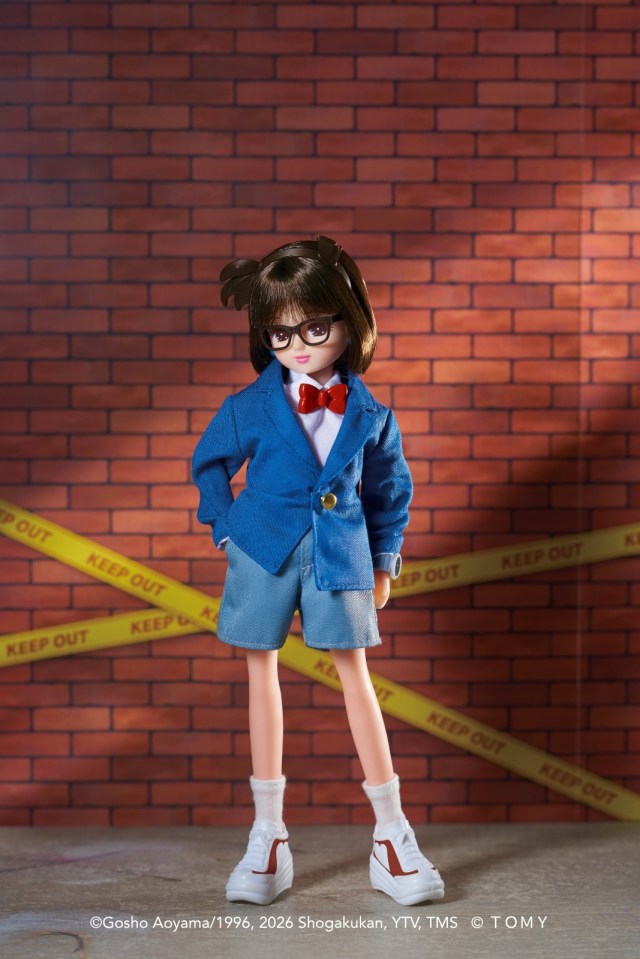
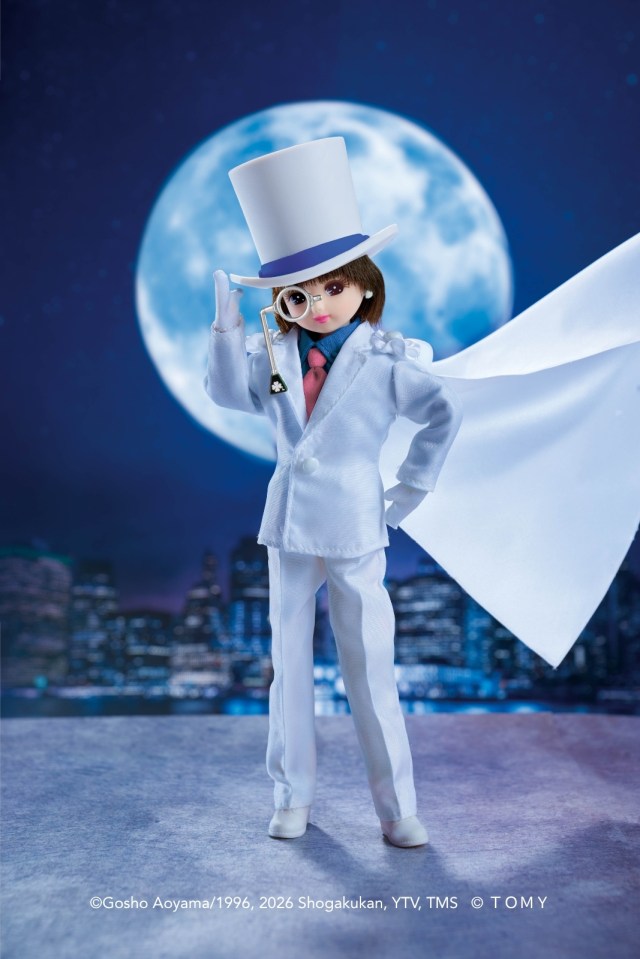
Licca-chan can also be found cosplaying as Conan Edogawa and The Phantom Thief from the long-running Detective Conan manga and anime series.
▼ Conan Licca-chan
▼ The Phantom Thief Licca-chan
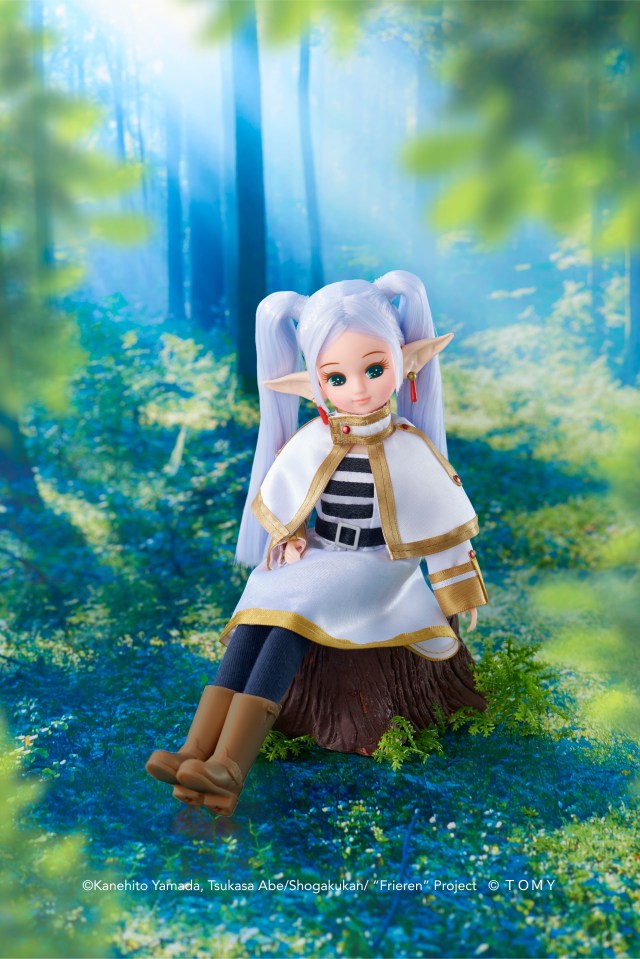
And in possibly one of the most drastic makeovers she’s ever experienced, there’s also a Licca-chan with big pointy ears to resemble the protagonist of the highly acclaimed Frieren: Beyond Journey’s End anime/manga.
Each doll can be bought for US$24.99 or $29.99 depending on the type, and they have been initially launched at select BoxLunch, Hot Topic, Miniso, Animate, and Gatch&Catch stores around North America. A wider release is expected later this year.
This great news for fans of one of Japan’s biggest names in toys, but all North American doll fans are likely to like a little Licca lighting up their lives as well.
Photos ©TOMY
● Want to hear about SoraNews24’s latest articles as soon as they’re published? Follow us on Facebook and Twitter!


