
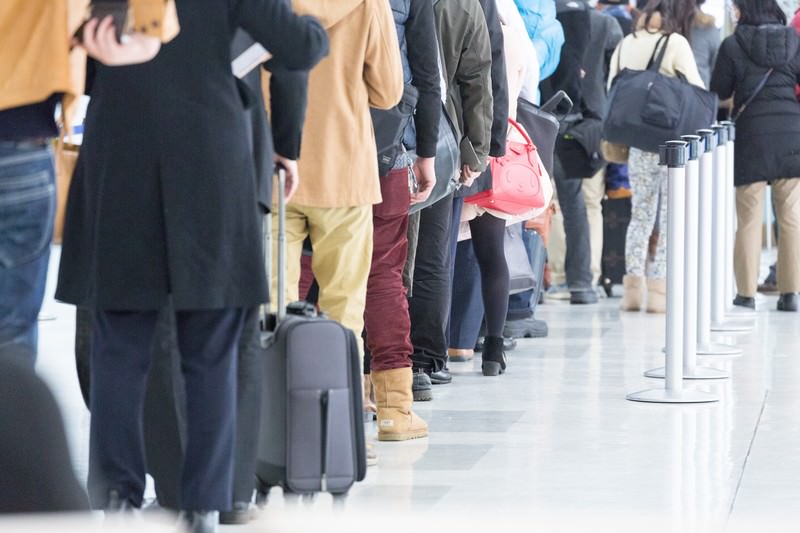
Many people with dreams are poised to save understaffed kitchens, but they’re currently stuck behind a bureaucratic velvet rope.
Two facets of Japanese culture that are world-renowned are its incredible service and its culinary scene, but there is an ever-growing issue that the industry is facing in that there are fewer and fewer people behind the counters to actually offer it. A critical shortage of staff is putting a strain on many of the areas within the industry, from local eateries to meal services in hospitals.
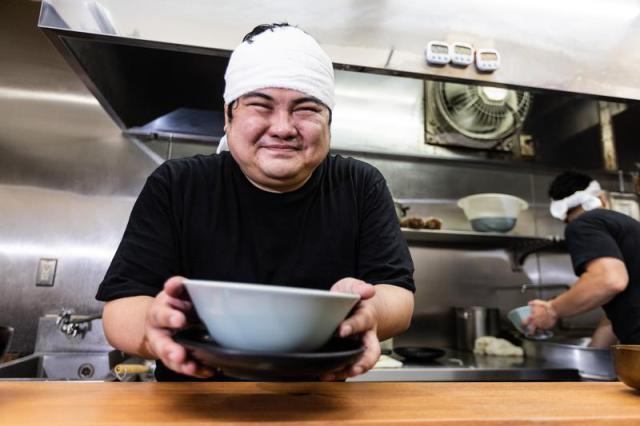
▼ Will smiling servers become a thing of the past in the face of a labor shortage?
In the hopes of combating this, the Japanese government introduced the Specified Skilled Worker (SSW) visa in April 2019, designed to bring in trained international talent. The visa targets 16 specific industries where domestic staffing has become critically difficult, ranging from nursing care and construction to agriculture.
The SSW visa is not a scheme to usher in cheap labor, as they must pass assessments before they even arrive in the country, proving that they have at least a foundational command of Japanese (typically around N4 of the Japanese Language Proficiency Test or higher), as well as professional expertise through passing industry-specific exams.
▼ Because, of course, Japan needs you to pass exams for anything and everything.

The government originally intended to accept a total of 820,000 workers over the five-year period ending in 2028, with the food service sector capped at 50,000 workers to avoid exceeding the estimated labor shortage. However, the demand from Japanese businesses, and the enthusiasm from international applicants, has been so high that the food service sector’s quota is expected to reach its limit as early as next month.
On April 13, Japan officially suspended new applications for the sector, which has left many aspiring applicants in a difficult position. While it’s easy to consider “food service” as being limited to cafes and restaurants, the impact extends much further, reaching companies that provide prepared meals for hospitals and nursing care facilities. These companies rely on trained professionals with the SSW visa to fill gaps in local recruitment, and without them, there is a possibility they will become unable to provide meals for the facilities they supply.
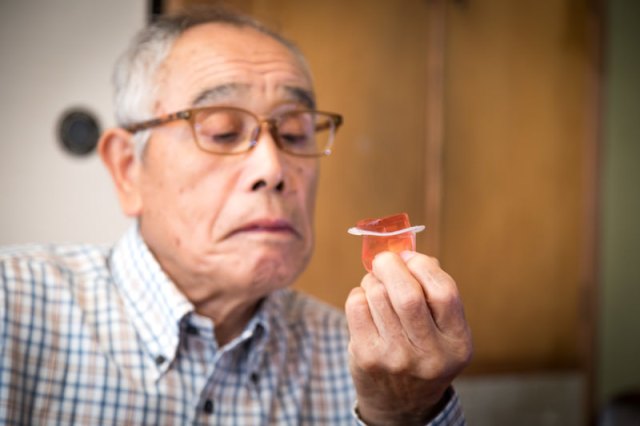
▼ Thus having an increased possibility of needing to rely on alternative measures.
With many companies in Japan arguing that international talent is not an added bonus, but an actual necessity to the stability of the Japanese food service industry, along with the ability to provide consistent care to Japan’s vulnerable populations, the current suspension clearly highlights how global talent has become integral to Japanese daily life.
As the industry waits for the government to reassess its numbers, many of the kitchens remain understaffed, and the dreams of many international workers remain on hold. For now, it seems Japan’s famous hospitality is stuck with its name on a waiting list until the bureaucrats clear some more tables.
Source: NNN via Yahoo News via Hachima Kikou
Top image: Pakutaso
Insert images: Pakutaso (1, 2, 3)
● Want to hear about SoraNews24’s latest articles as soon as they’re published? Follow us on Facebook and Twitter!


